

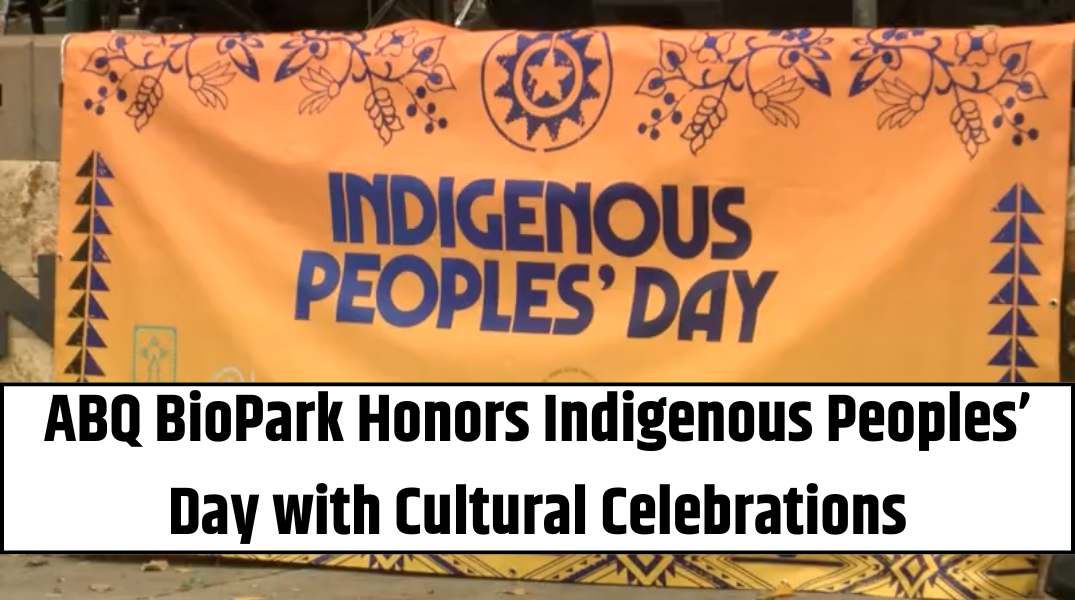
ALBUQUERQUE, N.M. — Indigenous Peoples Day was marked with pride and celebration across New Mexico on Monday, and one of the state’s most popular attractions — the Albuquerque BioPark — joined in the commemoration with a unique educational twist.
Visitors to the BioPark Zoo were treated to a series of interactive stations designed to highlight the deep cultural and spiritual connections between Indigenous communities and the natural world. The event, held in honor of Indigenous Peoples Day, encouraged guests to learn more about the role that animals play in Indigenous traditions, beliefs, and stories passed down through generations.
Celebrating Culture Through Wildlife
The educational initiative was the first of its kind for the BioPark, and organizers said they hoped it would serve as a bridge between culture, conservation, and community. Different learning stations were placed throughout the zoo, each focused on a specific animal and its cultural significance in Native traditions.
One of the most popular stops was located near the eagle and owl habitats — birds that hold special meaning in many Indigenous cultures. Guest Experience Administrator Tiffani-Rae Briggs said she wanted to make sure these animals were included because of their powerful symbolism and the diversity of beliefs surrounding them.
“In almost every tribe that I’ve researched, eagles and owls carry great cultural importance,” Briggs explained. “Eagles are often seen as messengers or sacred protectors, while owls have a more complex role. In some tribes, they are associated with wisdom, but in others, members are discouraged from touching or even seeing them. Both birds deserve respect for the roles they play in Indigenous stories and ceremonies.”
Also Read – Wavetrails Festival 2025: Albuquerque Hosts Cutting-Edge Music and Art Experience
A New Way to Engage Visitors
The BioPark’s Indigenous Peoples Day celebration wasn’t just about viewing animals — it was about sparking meaningful conversations. Guests were encouraged to reflect on how Indigenous communities have long respected and coexisted with the environment, developing sustainable ways of living that modern society continues to learn from.
Zoo staff collaborated with the City of Albuquerque’s Office of Equity and Inclusion to ensure the event represented a wide range of Indigenous perspectives. Together, they curated displays that honored traditions while also emphasizing the importance of cultural sensitivity and education.
“Collaborating with the city’s Office of Equity and Inclusion was a crucial step,” Briggs said. “We wanted to make sure the information we shared was accurate, respectful, and truly reflective of Indigenous voices. This isn’t just a zoo event — it’s a chance to honor the original stewards of this land.”
Connecting Generations Through Knowledge
Families, students, and visitors of all ages took part in the celebration, many expressing appreciation for the chance to learn more about Indigenous traditions in such an interactive setting. Children were particularly engaged by the opportunity to see animals up close while learning the stories behind them.
Parents said it was a powerful way to teach their kids about respect — not only for animals but also for the cultures that hold them sacred. By blending storytelling, cultural education, and wildlife appreciation, the BioPark provided an immersive experience that celebrated both heritage and habitat.
For many guests, it was also a reminder that Indigenous Peoples Day is more than a holiday — it’s a recognition of resilience, identity, and the ongoing contributions of Native communities.
Honoring the Significance of Indigenous Peoples Day
Indigenous Peoples Day, observed each year on the second Monday in October, is a time to honor Native American histories, cultures, and achievements. It also serves as an opportunity to reflect on centuries of Indigenous resilience and the importance of acknowledging the past.
In New Mexico — home to 23 federally recognized tribes, pueblos, and nations — the day holds special significance. Across the state, events, ceremonies, and educational activities took place to highlight the diversity and strength of Indigenous peoples.
Also Read –Teen Accused of Bringing Gun to Albuquerque High School Remains Out of Custody
The Albuquerque BioPark’s participation represents a growing effort by public institutions to integrate cultural education into everyday spaces. By using wildlife as a connection point, the zoo helps visitors understand how nature and culture are deeply intertwined.
Looking Ahead
Given the positive response from guests, the BioPark hopes to make its Indigenous Peoples Day celebration an annual tradition. Organizers are already discussing ways to expand the event in the coming years — potentially including live storytelling, art demonstrations, and performances from local Indigenous groups.
Briggs said the goal is to keep the focus on education and respect. “We want people to leave here not only appreciating the beauty of the animals but also understanding their importance in Indigenous traditions,” she said. “When we recognize those connections, we deepen our relationship with both culture and conservation.”
A Step Toward Greater Understanding
The celebration at the Albuquerque BioPark reflects a broader movement across the country to recognize Indigenous voices and perspectives in public spaces. By combining cultural education with environmental awareness, events like this remind visitors that caring for wildlife and the planet has always been central to Indigenous ways of life.
As families wandered from one exhibit to the next — learning about eagles, owls, and other animals through the lens of Native storytelling — it was clear that the BioPark had achieved something special. The event not only educated visitors but also encouraged respect for the traditions that have shaped New Mexico for centuries.
In honoring Indigenous Peoples Day, the Albuquerque BioPark sent a powerful message: that understanding begins with listening, and that celebrating culture is an essential part of protecting the world we share.