

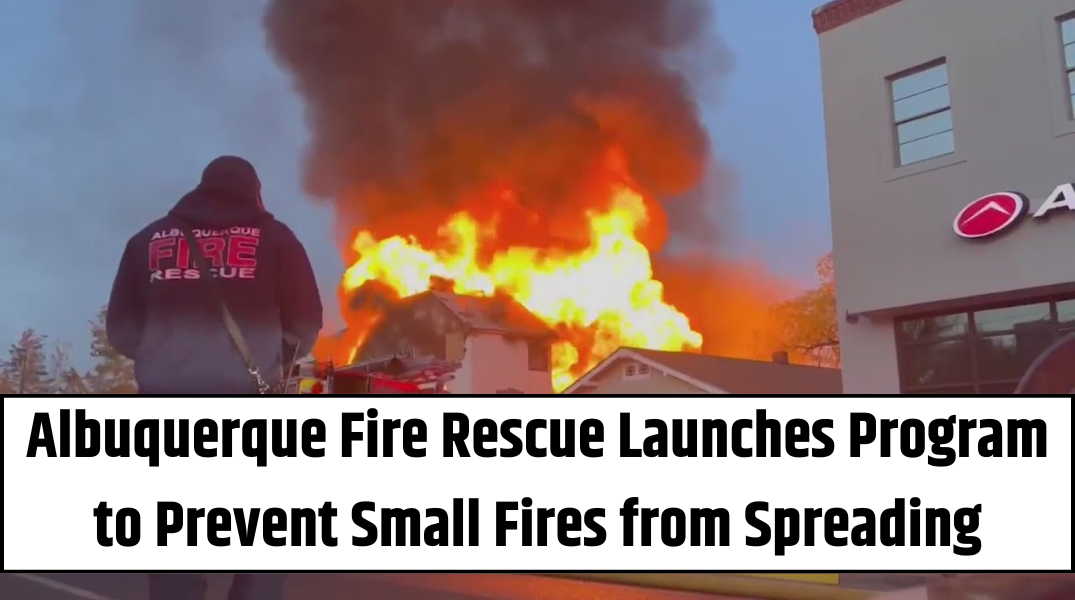
As temperatures drop and residents turn to outdoor fires for warmth or cooking, Albuquerque Fire Rescue (AFR) is once again ramping up its efforts to prevent small blazes from turning into large, destructive fires. The department’s “Outside Fire Response” program officially launched for the season Monday night, marking its third year in operation.
The initiative deploys a specialized “fast attack engine” designed to quickly respond to small outdoor fires during overnight hours — a time when these incidents are most likely to occur and go unnoticed. The unit remains active from November through April, patrolling high-risk areas and responding to calls before flames can threaten homes and businesses.
A Proactive Approach to Fire Prevention
According to AFR spokesperson Jason Fejer, the program was developed in response to a growing number of outdoor fires during the winter months. “The focus of this truck is to address smaller cooking fires, warming fires, and small trash fires,” Fejer explained. “Any uncontained or unattended fire has the potential to spread and cause structural damage — and that’s exactly what we’re trying to prevent.”
The approach has already proven effective. On its very first night back in service this season, crews extinguished eight fires. Fire officials anticipate responding to thousands more in the coming months as cold weather drives more people to light fires outdoors for heat.
How the Program Began
The “Outside Fire Response” initiative started as a pilot program in December 2023 after AFR noticed a sharp uptick in outdoor fires in the city’s East Central and Northeast Heights neighborhoods. These areas, which often see higher concentrations of unhoused residents, experience a seasonal rise in warming and cooking fires as temperatures fall.
Also Read – New Mexico Businesses Affected by Drought Can Still Apply for Federal Loans
In December 2024, the department added a new vehicle to its fleet — a Ford F-350 equipped with a high-pressure water pump and a 150-gallon tank. The compact design allows crews to navigate narrow alleys and vacant lots where many of these fires start. The truck’s mobility and efficiency have made it a key tool for quick containment.
Fejer said the vehicle is built for “speed and flexibility.” During the peak of last year’s season, from November to April, the truck and its crew responded to nearly 3,500 calls — roughly the same volume that a standard AFR engine company handles over an entire year.
Responding to a Persistent Threat
Small outside fires might not always make headlines, but they can quickly escalate into serious emergencies. In recent months, AFR has dealt with several incidents that highlight the danger, including a fire near Prospect and Carlisle on October 31 and another at a Dollar Tree store on Juan Tabo earlier that same day.
“These are exactly the types of fires we’re trying to prevent,” Fejer said. “Even a small fire near a building can spread rapidly, causing property damage and putting lives and livelihoods at risk.”
By focusing resources on stopping fires before they grow, AFR hopes to reduce not only property loss but also the strain on larger fire units. Crews on the “Outside Fire Response” team handle approximately 30 calls every 24 hours during peak season, freeing other stations to focus on structure fires and medical emergencies.
Keeping the City Safe Through the Season
The program operates out of Fire Station 3 on Girard Boulevard near Central Avenue, but the unit’s coverage extends citywide. AFR dispatches the truck wherever it’s needed, particularly in areas with a history of recurring outdoor fires. The department’s data-driven deployment model ensures that resources are concentrated where risk is highest.
Officials emphasize that the program is as much about prevention as it is about response. Firefighters actively patrol areas known for frequent outdoor burning and engage with residents to educate them on safe fire practices. “We’re not just putting out fires,” Fejer said. “We’re trying to keep them from happening in the first place.”
The department also collaborates with city outreach teams and social service organizations to assist individuals who rely on outdoor fires for warmth. When possible, firefighters connect people with shelters and heating resources to reduce the need for open flames in public spaces.
A Model for Other Communities
AFR’s program has garnered attention from other municipalities looking for innovative ways to manage seasonal fire risks. What began as a small-scale pilot has evolved into a proven, proactive model for fire prevention — one that balances rapid response with community engagement.
Also Read – Hiker Injured and Rescued in Albuquerque’s Elena Gallegos Open Space
The department’s success lies in its adaptability. By dedicating a specialized vehicle and trained personnel to a specific problem, AFR can act faster and more efficiently than traditional units designed for large-scale fires. The program’s data also helps the department better understand seasonal patterns, guiding future resource allocation.
Looking Ahead
As the colder months continue, Albuquerque residents can expect to see the “Outside Fire Response” unit in neighborhoods throughout the city. AFR officials encourage the public to report outdoor fires immediately — no matter how small they may appear.
“Getting there early makes all the difference,” Fejer said. “If we can knock down these fires before they spread, we can prevent a lot of damage and protect our community.”
With its combination of technology, speed, and community outreach, the program reflects AFR’s broader mission: to safeguard lives and property through proactive, data-driven fire prevention. As the season progresses, the department remains committed to ensuring that Albuquerque’s nights stay warm — but safe.